2027 Website Planner: A Comprehensive Tool for Strategic Web Development
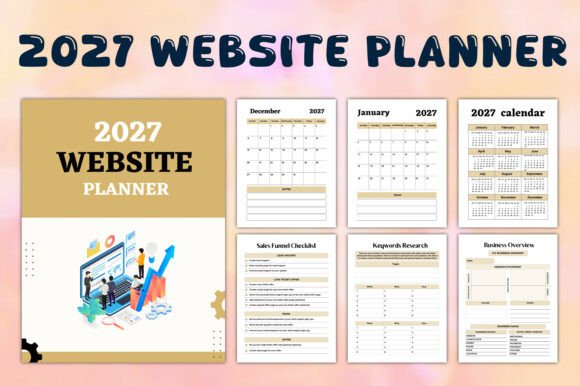
The 2027 Website Planner is a meticulously designed resource tailored to meet the evolving needs of professionals, entrepreneurs, and creators who are looking to streamline their web development processes. This planner offers a holistic approach to building, managing, and optimizing websites, making it an essential tool for anyone involved in digital projects. With its 100 customizable original files, the 2027 Website Planner provides users with high-quality print-ready templates that include everything from monthly calendars to detailed SEO checklists, ensuring that every aspect of website planning is covered.
Integration into Workflow
The 2027 Website Planner is not just a standalone tool; it's designed to integrate seamlessly into various stages of your workflow. Whether you're in the planning phase, actively developing your site, or maintaining it post-launch, this planner can be adapted to fit your specific needs. For instance, during the initial planning stage, the Business Overview and Target Audience sections help you define your goals and audience clearly, which is crucial for effective website design and content creation.
During the execution phase, the Service Page Possible Elements and Sales Funnel Checklist come into play. These tools ensure that your website not only looks good but also functions efficiently, guiding potential customers through the conversion process. The SEO Keyword Focus and One Page SEO Checklist are particularly useful here, helping you optimize your content for search engines without compromising on quality.
Practical Use Cases
- Before a Project: Use the Website Evaluation Value Preposition section to assess the current state of your website and identify areas for improvement. This helps in setting realistic expectations and defining clear objectives for your project.
- During a Project: The Competitor Analysis and Keywords Research sections provide valuable insights into what your competitors are doing and how you can differentiate your website. These elements are key to standing out in a crowded digital landscape.
- After a Project: The Income Tracker and Expense Tracker allow you to monitor the financial performance of your website, providing data-driven insights that can inform future decisions and optimizations.
Compatibility and Usability
The 2027 Website Planner is built with usability in mind. It includes an editable Canva link, allowing users to customize templates according to their brand identity and preferences. This flexibility ensures that the planner can be adapted to suit different industries and business models. Additionally, the inclusion of printable PDF and high-resolution JPG/PNG files makes it easy to use across various platforms and devices.
The size of the files, at 8.5 x 11 inches, is ideal for both physical and digital use, making it a versatile resource for professionals who need to work on the go. The absence of bleed ensures that printed materials maintain their quality, which is especially important for branding and marketing purposes.
Workflow Examples
- Planning Phase: Start by using the Branding Kit and Author Bio sections to establish your brand identity. This sets the foundation for all subsequent planning and development activities.
- Development Phase: Utilize the Home Page Keywords and About Me Page sections to create content that resonates with your target audience. These elements are critical for engaging visitors and improving user experience.
- Maintenance Phase: Regularly update the Notes and Ideas To Do List sections to keep your website fresh and relevant. This proactive approach helps in maintaining visitor interest and driving consistent traffic.
Long-Term Use and Quality Control
One of the standout features of the 2027 Website Planner is its emphasis on long-term use and quality control. The Task Chart and Domains sections help you stay organized and focused on your goals, while the Password Tracker ensures that your online security remains a top priority. These elements contribute to a sustainable workflow that supports continuous growth and improvement.
The 44-page structure of the planner allows for detailed exploration of each component, ensuring that users have access to comprehensive resources without feeling overwhelmed. This balance between depth and simplicity makes it accessible to both beginners and experienced professionals alike.
Real-World Integration
The 2027 Website Planner is not just a theoretical tool; it's designed for real-world application. For example, educators can use the Target Audience and Core Concept sections to create websites that cater specifically to their students' needs. Similarly, small business owners can leverage the Competitor Analysis and SEO Checklist to build a competitive edge in their niche market.
Freelancers and bloggers can benefit from the Income Tracker and Expense Tracker, which help them manage their finances effectively while maintaining a professional online presence. These practical applications demonstrate how the 2027 Website Planner can be integrated into diverse workflows, enhancing productivity and efficiency.
Conclusion
The 2027 Website Planner is more than just a collection of templates; it's a strategic resource that empowers users to take control of their digital presence. By integrating this planner into your workflow, you can streamline your web development process, improve your SEO performance, and achieve your business goals more effectively. Whether you're a seasoned professional or just starting out, the 2027 Website Planner offers the tools and guidance needed to succeed in today's digital landscape.